
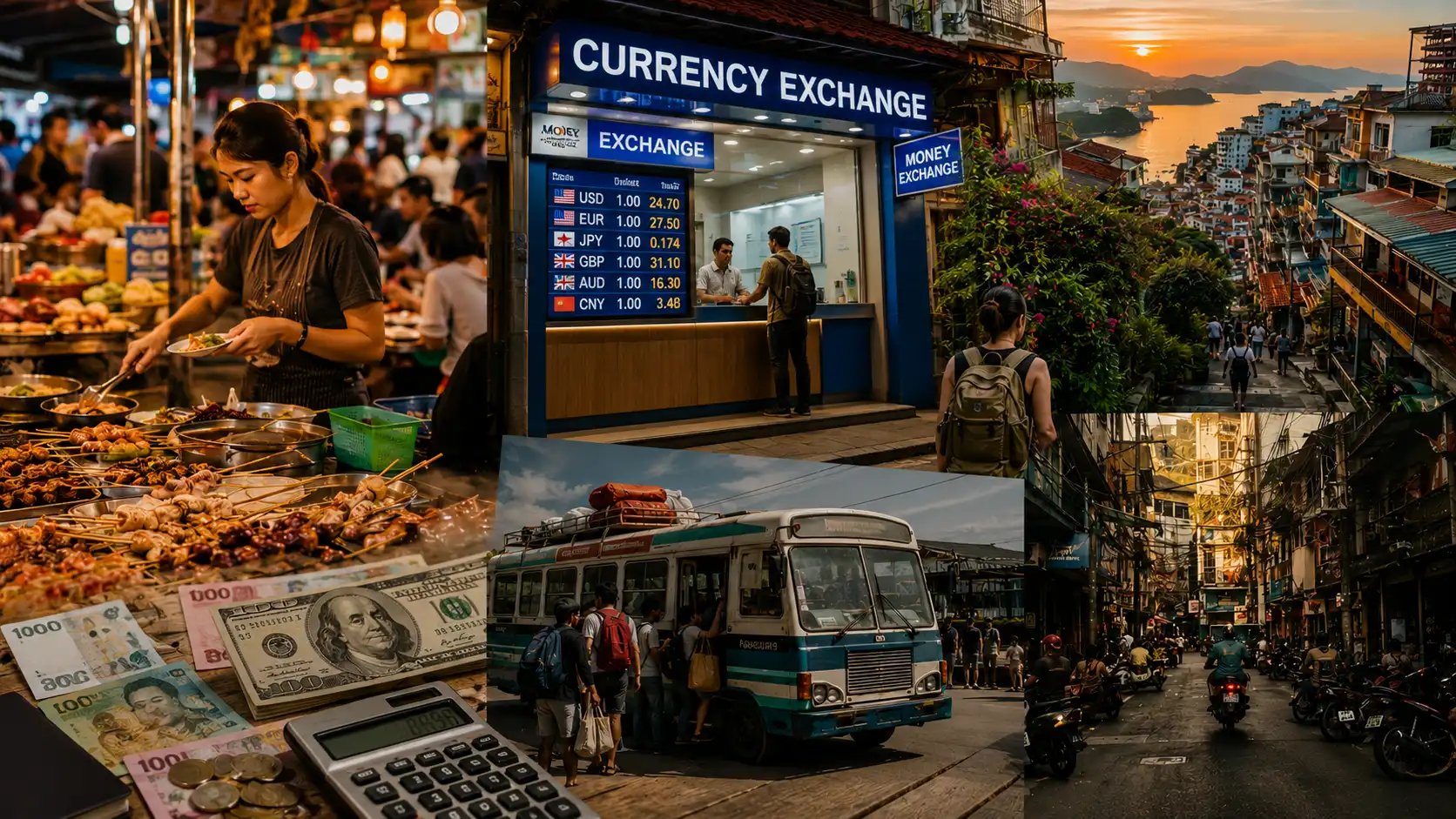
Budget travel in Asia is one of the best ways to experience the continent without overspending. With the right planning, you can enjoy great food, scenic places, and memorable cultural experiences while keeping daily costs under control.
Budget travel in Asia works best when you combine low-cost transport, local food, budget accommodation, and a slower pace. The biggest savings usually come from choosing regional transport wisely, eating where locals eat, and avoiding unnecessary backtracking.
Why budget travel in Asia works so well
Asia is one of the most budget-friendly regions in the world for travelers. In many countries, you can find affordable meals, cheap guesthouses, public transport, and low-cost activities without sacrificing quality.
That does not mean every trip will be automatically cheap. Some destinations are more expensive than others, and transport choices can quickly raise your costs. Still, with a smart plan, budget travel Asia can be comfortable, exciting, and flexible.
Best budget travel Asia tips
1. Choose destinations with strong value
Some places offer much better value than others. Cities with excellent public transport, cheap local food, and many free attractions help you save more.
Good value often comes from destinations where:
- Street food is widely available.
- Public transport is reliable.
- Budget guesthouses are common.
- Attractions are easy to reach without tours.
2. Travel slower
Moving too often is one of the biggest budget mistakes. Every extra transfer adds transport costs, booking fees, and time pressure.
A slower route means:
- Fewer flights.
- Lower luggage stress.
- Better chances to find cheaper accommodation.
- More time to enjoy each destination.
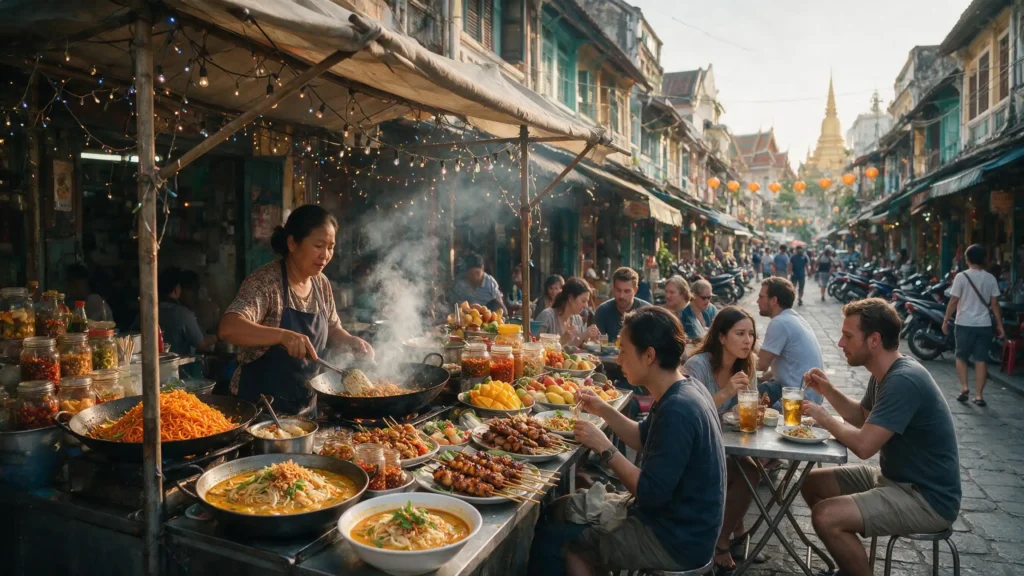
3. Eat local food
Local meals are often cheaper and better than tourist restaurants. In Asia, street food, hawker food, noodle shops, and small family-run eateries are often the best value.
Budget food habits:
- Eat where locals eat.
- Choose lunch specials and set meals.
- Try street stalls with high turnover.
- Avoid dining in heavily tourist-focused zones.
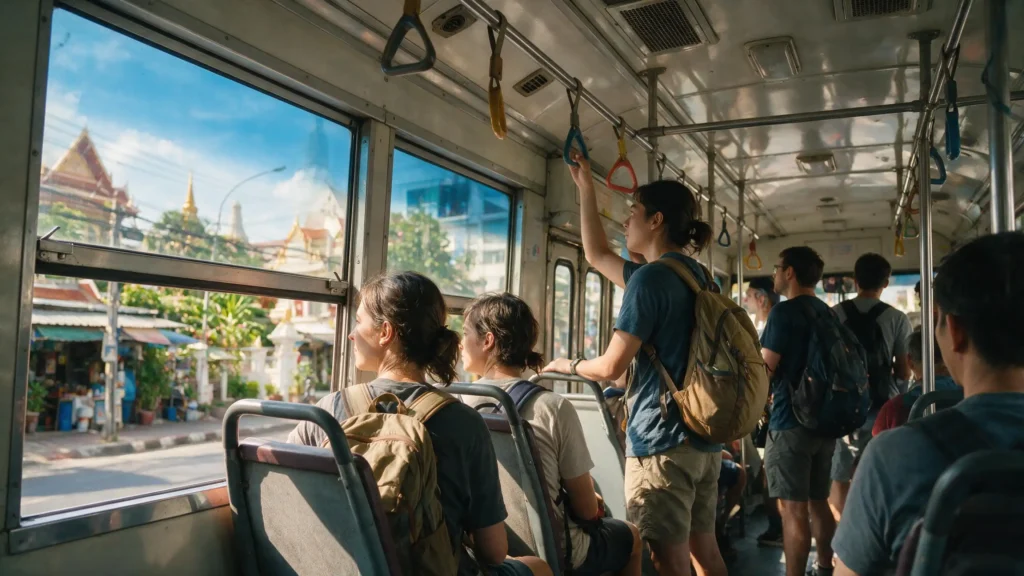
4. Use public transport and shared rides
Trains, buses, ferries, and local ride-hailing apps can save a lot of money. In many cities, these options are safer, easier, and far cheaper than private transfers.
5. Book smart, not early for everything
Some items are worth booking in advance, like international flights or popular overnight trains. But many local stays and activities can be booked later at better prices if your plans stay flexible.
Budget travel in Asia by expense type
| Expense type | Smart budget option | Common money-saving tip |
| Flights | Regional budget airlines | Travel with hand luggage only |
| Accommodation | Hostels, guesthouses, homestays | Stay near transit, not in prime tourist zones |
| Food | Street food, hawker centers, and local cafes | Eat where locals line up |
| Transport | Metro, bus, train, ferry | Use day passes or shared rides |
| Activities | Free walking tours, markets, temples, and beaches | Mix paid and free experiences |
This table works well for readers who want practical budget travel in Asia advice in a fast, easy-to-scan format.
Where to save the most

Accommodation
You can save money by choosing simple but clean stays instead of expensive hotel chains. Guesthouses, hostels, and homestays often offer a better sense of local character, too.
Food
Food is one of the easiest categories to control. If you eat one good local meal, one light breakfast, and one cheap snack each day, your budget can stretch much further.
Transport
Transport costs rise quickly when you jump between distant cities too often. A more connected route usually means fewer expensive transfers and less stress.
Activities
Not every great travel memory costs money. Markets, temples, beaches, parks, and neighborhoods can often be explored cheaply or for free.
Sample 2-week budget travel Asia route
Week 1
- Bangkok.
- Chiang Mai.
- Siem Reap.
Week 2
- Ho Chi Minh City.
- Da Nang or Hoi An.
- Hanoi.
This route works well because it combines affordable food, strong transport options, and many low-cost sightseeing opportunities. It is a popular structure for budget travel Asia because it balances variety and value.
How to keep costs low without missing experiences
You do not need to skip everything to stay on budget. Instead, choose where to spend and where to save.
Spend a little more on:
- A well-located hotel or guesthouse.
- One memorable day trip.
- Comfortable overnight transport when needed.
- Health and safety essentials.
Save money on:
- Fancy restaurants.
- Unnecessary taxis.
- Overpacked itineraries.
- Souvenirs you do not really need.
This approach keeps budget travel in Asia enjoyable rather than restrictive.
Budget travel mistakes to avoid
1. Booking too many flights
Flying often can save time, but it also adds costs. For budget travel in Asia, think carefully before using air travel for every move.
2. Staying too far from the center
A cheaper room far away can end up costing more once you factor in transport and wasted time.
3. Eating only in tourist zones
Tourist areas often charge higher prices. A short walk away can lead to much better value.
4. Ignoring local transport passes
Day passes, MetroCards, and regional bus tickets can reduce daily spending.
5. Overplanning the whole trip
Leaving room for flexibility can help you find better deals and less stressful routes.
City comparison for budget travelers
| City | Budget level | Best value category |
| Bangkok | Low to mid | Food and transport |
| Chiang Mai | Low | Accommodation and food |
| Siem Reap | Low to mid | Hotels and sightseeing |
| Ho Chi Minh City | Low | Street food and local transport |
| Hanoi | Low to mid | Food, stays, and walking areas |
| Kuala Lumpur | Mid | Transit and city convenience |
This comparison helps readers choose destinations based on total travel value, not just cheap flights.
Practical budget habits

Before you travel
- Compare regional flight prices.
- Check visa and entry rules.
- Save offline maps.
- Download transport apps.
- Set a daily spending limit.
During your trip
- Track daily expenses.
- Use cash for small purchases.
- Keep one flexible day in each major city.
- Ask locals where they eat and shop.
- Review your budget every few days.
Example daily budget approach
A simple budget day might include:
- Hostel or guesthouse.
- Local breakfast.
- Public transport.
- One major attraction.
- Street food dinner.
That structure is easy to repeat and works well for budget travel in Asia in many countries.
How to travel comfortably on a budget
Budget travel does not need to feel uncomfortable. Small upgrades can make a big difference without hurting your finances.
Try these:
- Choose clean, well-rated stays.
- Book transport with reasonable departure times.
- Carry a refillable water bottle.
- Pack light and stay organized.
- Allow time for rest between long travel days.
Comfort matters because tired travelers overspend more easily and enjoy less.
Conclusion
Budget travel in Asia is not about spending the absolute minimum. It is about making smart choices so you can travel longer, see more, and enjoy each place without financial stress.
If you focus on local food, efficient transport, flexible planning, and value-based destinations, your money will go much further. That is how you turn a limited budget into a rich travel experience.
FAQ
1. Is Asia good for budget travel?
Yes, Asia is one of the best regions for budget travel because many countries offer affordable food, transport, and accommodation options.
2. Which countries are best for budget travel Asia?
Thailand, Vietnam, Cambodia, Laos, and parts of Malaysia are often considered strong budget-friendly choices, depending on the route and season.
3. How much money do I need for budget travel in Asia?
It depends on the countries you visit and your travel style. Costs are usually lower when you use local transport, eat local food, and stay in simple accommodation.
4. Is street food safe for budget travelers?
Usually yes, if you choose busy stalls, eat freshly cooked food, and follow basic hygiene rules. Street food is often one of the best value options.
5. Should I use buses or flights in Asia?
Use buses or trains for shorter routes and flights for longer jumps. The cheapest option depends on distance, baggage, and time.
6. How can I find cheap accommodation in Asia?
Look for guesthouses, hostels, homestays, and budget hotels with good reviews. Staying near transit can also save money.
7. What is the biggest mistake budget travelers make?
The biggest mistake is moving too often. Extra transport, bag fees, and rushed planning can quickly increase costs.
8. Can budget travel still be comfortable?
Yes. You can stay comfortable by choosing clean stays, eating well, and balancing savings with a few worthwhile upgrades.
9. How do I avoid overspending on a trip to Asia?
Set a daily budget, track expenses, use public transport, and avoid unnecessary tourist traps. Small decisions add up quickly.
10. Is budget travel Asia good for first-time travelers? Absolutely. Many Asian destinations are beginner-friendly, easy to navigate, and offer strong value for money.