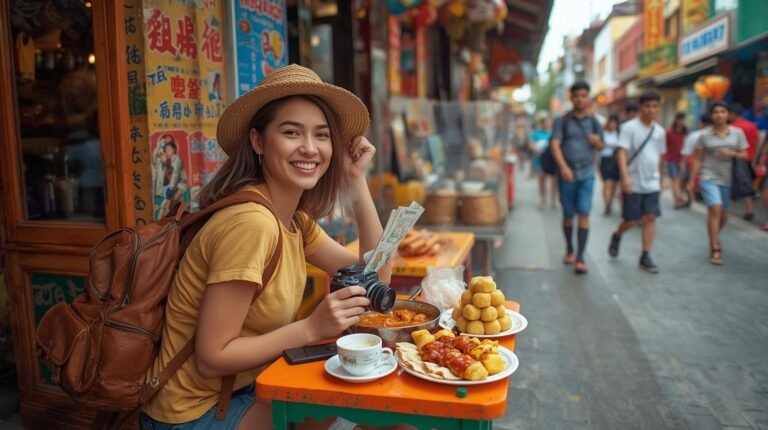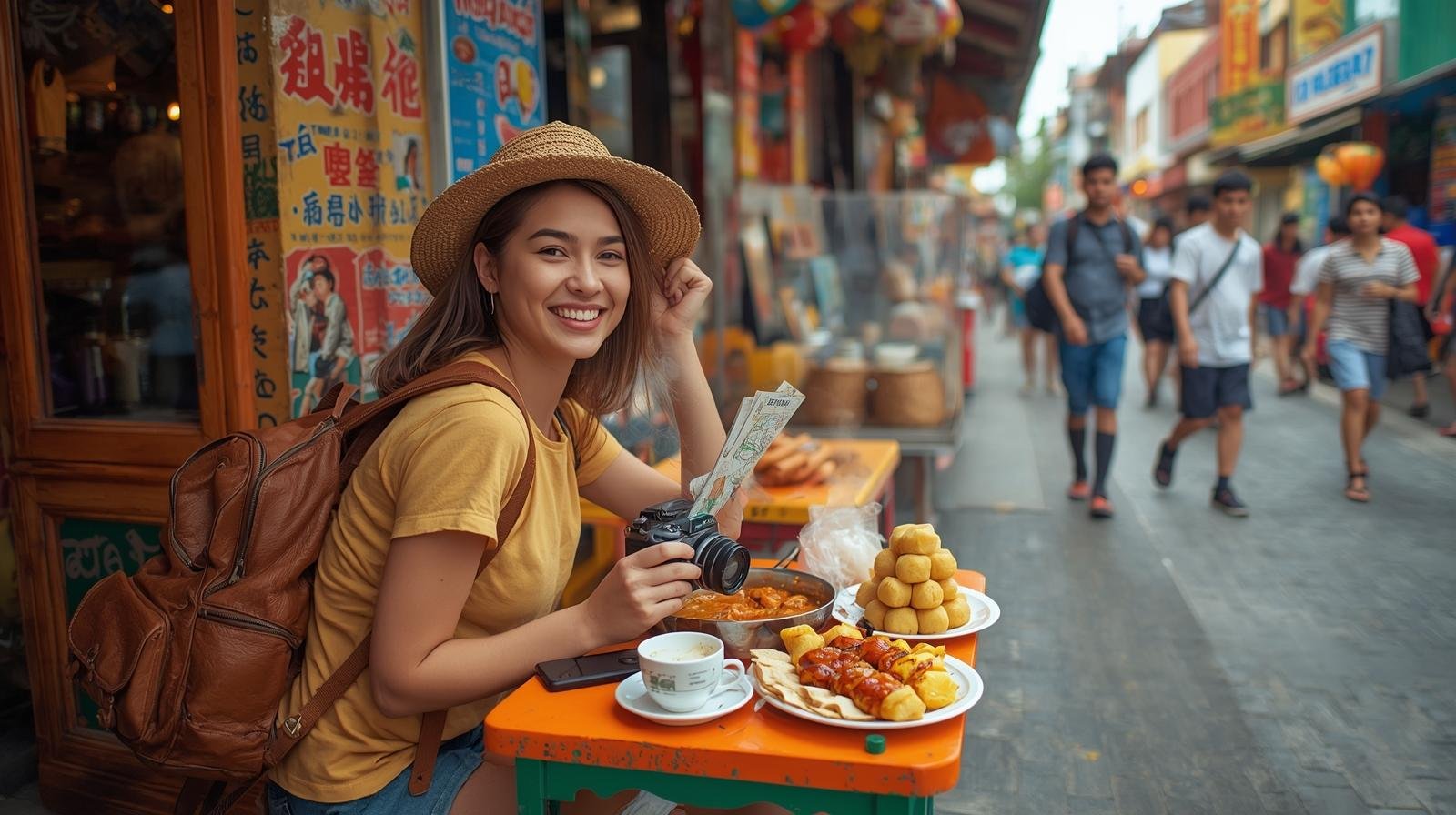
Traveling is one of the most rewarding ways to experience the world — and food is at the heart of every culture you’ll encounter. Whether you’re navigating your first trip abroad or planning a culinary adventure, knowing how to balance both travel logistics and food exploration can transform your experience from stressful to unforgettable.
In this guide, we’ll walk you through 10 essential travel and food tips that every beginner traveler should know. From finding the best local dishes to packing smart for food emergencies, these tips will help you travel smarter, eat better, and fully enjoy every bite of your journey.
Tip 1: Research Local Food Customs Before You Go
Every country has its own unique food culture, and learning about it in advance can save you from awkward moments or worse, offending locals unintentionally.
For example, in Japan, slurping noodles is perfectly polite, while in Morocco, eating with your right hand is customary in traditional settings. In some countries, tipping is expected in restaurants, while in others, it might be considered rude.
Before your trip, take 10–15 minutes to read up on local food etiquette, common dishes, and what ingredients are typically used. You’ll not only show respect to the culture, but you’ll also feel more confident ordering at restaurants and street food stalls.
Bonus: Watching a few YouTube videos or food vlogs from locals can give you visual cues and help you avoid surprises.
Tip 2: Avoid Tourist Traps – Eat Where the Locals Eat
One of the biggest mistakes travelers make is dining in areas packed with tourists. These spots often serve overpriced, less authentic meals designed for convenience rather than quality.
Instead, look for local restaurants, small family-run eateries, or street food vendors with long lines of locals that’s usually a good sign the food is fresh and flavorful.
Use apps like Google Maps, TripAdvisor, or LocalEats to find real user reviews. Also, don’t hesitate to ask locals for their favorite places to eat hotel staff, taxi drivers, or even shopkeepers can offer the best tips.
Travel tip: Try walking a few blocks away from major attractions. That’s often where you’ll find hidden culinary gems at half the price.
Tip 3: Always Carry a Travel-Friendly Utensil Set
Whether you’re grabbing street food, eating on a train, or picnicking in a park, having your own reusable utensil set can be a lifesaver and it’s eco-friendly too.
Look for lightweight, foldable travel utensils that include a fork, spoon, knife, and even chopsticks. Some sets come with a case and cleaning cloth, which keeps everything hygienic.
Plus, carrying your own set helps you avoid using single-use plastics, especially in countries where sustainability is taken seriously.
Tip 4: Learn Basic Food-Related Phrases in the Local Language
Knowing a few key food-related words can make a huge difference — especially in countries where English isn’t widely spoken.
Learn how to say things like “no meat,” “no dairy,” or “is this spicy?” if you have dietary preferences or allergies. It’s also helpful to understand common food names and meal times.
You can use apps like Google Translate, or better yet, write the phrases on a small card or save screenshots to your phone. Locals will appreciate the effort, and it can help you avoid miscommunication.
Bonus tip: If you’re a vegetarian or have allergies, search online for printable “food allergy cards” in different languages that you can carry with you.
Tip 5: Pack Snacks That Travel Well
Long flights, delayed buses, or unfamiliar meal times can leave you starving with no options in sight. That’s why packing a few reliable, travel-friendly snacks is a smart move especially when exploring off-the-beaten-path destinations.
Choose snacks that are non-perishable, compact, and provide lasting energy, such as:
-
- Protein bars
-
- Dried fruit and nuts
-
- Whole grain crackers
-
- Instant oatmeal packets (great with hotel kettles!)
Avoid anything that melts, crumbles easily, or has strong odors. Keep them in a resealable pouch or a compact food-safe container.
Tip 6: Research Local Food Etiquette Before You Go
Food customs can vary drastically from one country to another. What’s normal in your culture might be considered rude elsewhere — and knowing this can help you avoid awkward moments and show respect for local traditions.
For example:
In Japan, slurping noodles is polite it shows appreciation.
In Thailand, using a fork to put food in your mouth is considered bad manners (use a spoon instead).
In some Middle Eastern countries, eating with your left hand is frowned upon.
Do a quick Google search like “Japan food etiquette” before your trip. This not only helps you blend in but also makes locals more welcoming and impressed by your effort.
Tip 7: Use a Refillable Water Bottle with a Filter
Staying hydrated while traveling is essential but buying bottled water every day is expensive, wasteful, and inconvenient in remote areas. A refillable water bottle with a built-in filter solves all of that.
These bottles remove bacteria, chemicals, and other contaminants from tap water, making it safe to drink almost anywhere. They’re especially useful in countries where bottled water is the only safe option.
Look for models that are:
-
- BPA-free
-
- Easy to clean
-
- Lightweight and compact
Tip 8: Explore Local Markets Instead of Just Restaurants
Some of the most authentic, budget-friendly, and memorable food experiences happen in local markets not just restaurants.
Markets give you access to:
-
- Fresh fruits and street snacks
-
- Regional specialties you won’t find in touristy areas
-
- Interaction with local vendors
Always bring small cash, go early in the morning for freshness, and don’t be afraid to try something new (as long as it looks safe!).
Bonus: Ask locals or your accommodation host which market is the most authentic, not just the one listed on blogs.
Tip 9: Read Food Blogs and Forums for Real Traveler Advice
Before visiting a new destination, spend some time on food blogs, travel forums (like Reddit or TripAdvisor), and even YouTube food vlogs. These platforms offer firsthand advice that goes beyond what guidebooks tell you.
You’ll find:
-
- Hidden gems
-
- Dishes to avoid
What locals really eat vs what’s for tourists
Try searching:
“best local food in [city] blog” or
“what to eat in [country] as a traveler”
Then save your favorite spots to Google Maps for easy access while exploring.
Tip 10: Respect Food Diversity with an Open Mind
When traveling, try to approach food with curiosity, not judgment. You might encounter dishes or customs that feel strange but they hold deep cultural meaning.
Instead of saying “ew,” try asking, “why is this dish important here?” It leads to interesting conversations, cultural appreciation, and maybe even stories you’ll tell for years.
Of course, stay within your dietary limits, but allow yourself to step out of your comfort zone when you can. You may find your new favorite meal where you least expect it.
Conclusion: Travel Deeper Through Taste
Food is more than just fuel when you travel it’s a way to connect, learn, and experience life from a local’s perspective.
Whether you’re slurping pho in Vietnam, nibbling pastries in France, or sipping mint tea in Morocco, every bite can tell a story.
With these tips in mind, you’re ready to explore the world one dish at a time safely, respectfully, and with a hungry heart.