
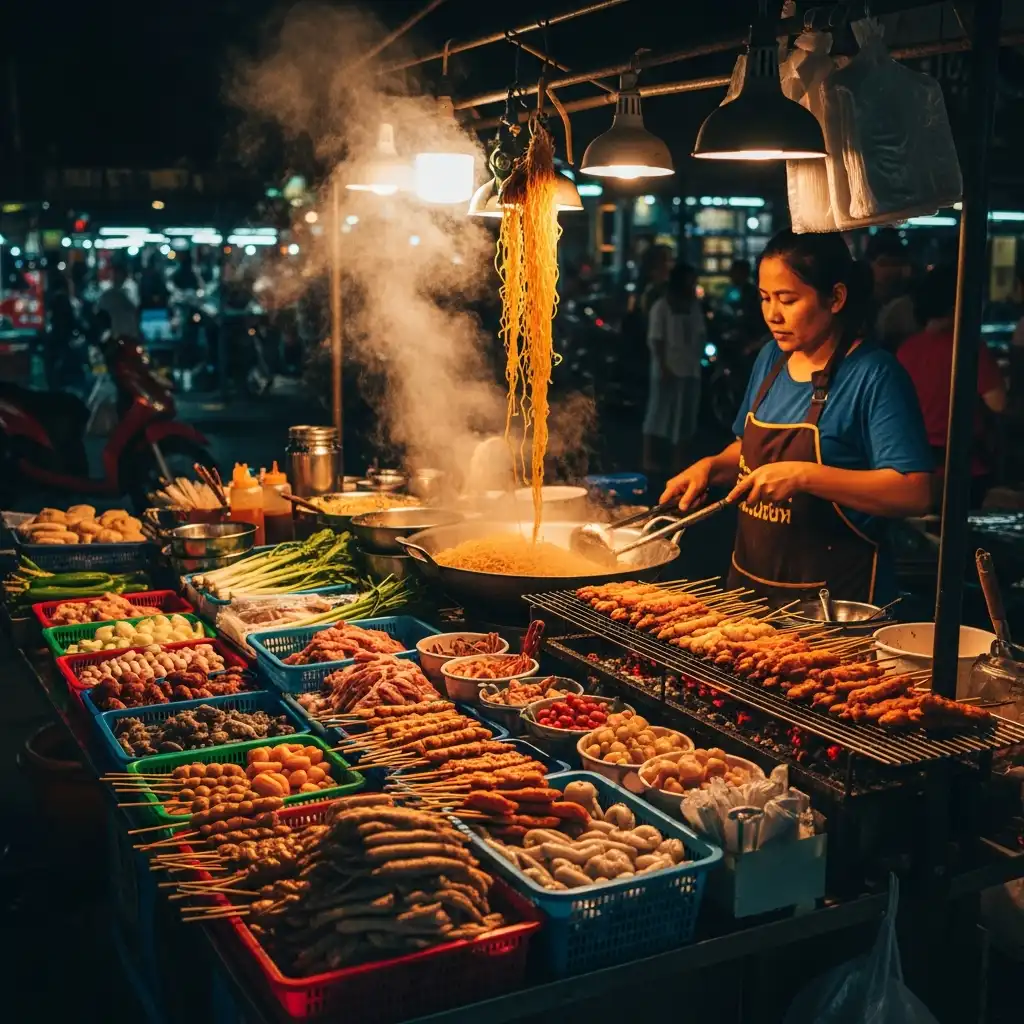
Asian Street Food Guide: What to Eat in Asia’s Top Cities
If you want to understand a city through flavor, Asian street food is the fastest and most memorable way to do it. From sizzling noodles to grilled skewers and sweet snacks, the region’s best dishes are often found at humble stalls, night markets, and busy roadside carts.
Featured snippet answer: Asian street food is best explored city by city, because each destination offers signature dishes, local ingredients, and distinct cooking styles. The best way to enjoy it is to start with popular stalls, follow the crowds, and choose freshly cooked food served hot.
Why Asian street food is worth traveling for
Street food is more than a cheap meal. It is a window into daily life, local history, and regional identity. In many Asian cities, the most beloved dishes are made in open-air markets, family-run stalls, and hawker centers that have served the same recipes for decades.
Asian street food also gives travelers a flexible way to eat well on almost any budget. You can try several dishes in one evening, compare flavors, and enjoy a city at the pace of the people who live there.
Best Asian cities for street food
Bangkok, Thailand
Bangkok is one of the world’s most exciting food cities. The variety is huge, and the flavors range from spicy and sour to sweet and aromatic.
What to eat
- Pad kra pao.
- Mango sticky rice.
- Boat noodles.
- Grilled satay.
- Som tam.
Where to go
- Night markets.
- Busy street corners.
- Food courts near transit stations.
Bangkok is often the first stop for travelers exploring Asian street food because the food is fast, flavorful, and easy to find.
Singapore
Singapore is famous for its hawker centers, where dozens of stalls serve polished versions of local classics. The city’s food scene is clean, organized, and incredibly diverse.
What to eat
- Hainanese chicken rice.
- Laksa.
- Char kway teow.
- Satay.
- Kaya toast.
Where to go
- Maxwell Food Centre.
- Lau Pa Sat.
- Old Airport Road Food Centre.
Singapore proves that Asian street food can be both convenient and high quality. It is one of the easiest cities for first-time visitors.
Taipei, Taiwan
Taipei is a dream for night market lovers. The city’s street food scene is energetic, affordable, and packed with variety.
What to eat
- Stinky tofu.
- Oyster omelet.
- Beef noodle soup.
- Fried chicken cutlet.
- Bubble tea.
Where to go
- Shilin Night Market.
- Raohe Night Market.
- Ningxia Night Market.
Taipei is especially strong for travelers who want Asian street food with bold textures and strong local identity.
Ho Chi Minh City, Vietnam
Ho Chi Minh City is one of the best places in Asia for fresh, fast, and affordable eating. Vietnamese street food is light, fragrant, and often built around herbs, noodles, and broth.
What to eat
- Banh mi.
- Pho.
- Com tam.
- Goi cuon.
- Vietnamese iced coffee.
Where to go
- Ben Thanh area.
- Small alley stalls.
- Local breakfast spots.
The city is a great example of how Asian street food can be simple yet deeply satisfying.
Penang, Malaysia
Penang offers one of the richest food cultures in Southeast Asia. The city blends Malay, Chinese, and Indian influences into an unforgettable street food experience.
What to eat
- Char kway teow.
- Assam laksa.
- Roti canai.
- Hokkien mee.
- Cendol.
Where to go
- Gurney Drive.
- New Lane.
- Local kopitiams and hawker centers.
Penang stands out because every meal feels like a cultural crossroads, which is exactly why it is so important in any Asian street food guide.
Osaka, Japan
Osaka is often called Japan’s kitchen, and for good reason. While it is known for restaurants, its street snacks and casual eats are just as memorable.
What to eat
- Takoyaki.
- Okonomiyaki.
- Kushikatsu.
- Taiyaki.
- Yaki imo.
Where to go
- Dotonbori.
- Local food alleys.
- Busy entertainment districts.
Osaka shows a different side of Asian street food: warm, comforting, and made with attention to detail.
Best dishes by city
|
City |
Must-try dishes |
Best food experience |
|
Bangkok |
Pad kra pao, som tam, boat noodles |
Spicy, fast, and vibrant street meals |
|
Singapore |
Laksa, chicken rice, satay |
Clean, organized hawker dining |
|
Taipei |
Oyster omelet, stinky tofu, bubble tea |
Night market variety and bold flavors |
|
Ho Chi Minh City |
Banh mi, pho, com tam |
Fresh, aromatic, and affordable meals |
|
Penang |
Assam laksa, char kway teow, roti canai |
Multicultural hawker food |
|
Osaka |
Takoyaki, okonomiyaki, kushikatsu |
Fun, comforting Japanese street snacks |
This table is useful for travelers who want a quick city-by-city Asian street food reference. It also helps readers compare destinations based on taste and style.
How to eat street food safely
Eating street food is one of the best travel experiences, but a few simple habits help you enjoy it with less stress.
Use these safety tips
- Choose stalls with a steady flow of customers.
- Look for fresh cooking and hot serving temperatures.
- Watch how food is handled.
- Pick places that feel clean and organized.
- Start with cooked dishes if you have a sensitive stomach.
These habits do not remove all risk, but they make Asian street food much easier to enjoy confidently.
How to order like a local
Ordering street food becomes easier when you keep your approach simple. Start by pointing at dishes, asking for recommendations, or using a translation app if needed.
Helpful ordering tips
- Learn a few key phrases like “one please” and “no spice.”
- Bring small bills or local cash.
- Ask what the most popular dish is.
- Watch what locals are eating before you order.
- Be patient during busy hours.
The more relaxed you are, the better your Asian street food experience usually becomes.
Best times to eat street food
Timing matters. Many stalls open for breakfast, lunch, or dinner, while night markets are often busiest after dark.
Best eating windows
- Breakfast for noodles, congee, or light snacks.
- Lunch for rice dishes and quick meals.
- Evening for grilled food, noodles, and market specialties.
- Late night for regional favorites and atmosphere.
Night markets are especially important in Asian street food culture because they combine food, shopping, and local social life in one place.
What to look for in a great stall
A good stall often has a few clear signs: long lines, visible cooking, and a limited but focused menu. That usually means the seller knows exactly what they are doing.
Strong signs of quality
- The food is cooked to order.
- The menu is short and specialized.
- Locals are eating there.
- Ingredients look fresh.
- The stall has a consistent rhythm and clean setup.
These signs are often more useful than flashy signage or online hype when choosing Asian street food.
Sample food strategy for travelers
If you are traveling across several cities, it helps to plan around food categories rather than trying to eat everything at once.
A simple approach
- Start with one signature dish per city.
- Add one snack or dessert.
- Try one breakfast item.
- Visit at least one night market or hawker center.
- Repeat your favorites if they stand out.
This method keeps your trip balanced and makes Asian street food more enjoyable instead of overwhelming.
Conclusion
Asian cities are some of the best places in the world to eat well without spending much. From Bangkok’s sizzling stalls to Singapore’s hawker centers and Taipei’s night markets, each city brings its own flavors, textures, and traditions.
If you plan your route well, stay open to local recommendations, and eat where the crowds gather, Asian street food can become one of the most rewarding parts of your trip.
- FAQ Section
FAQ
- What is the best city for Asian street food?
Bangkok, Singapore, Taipei, Ho Chi Minh City, Penang, and Osaka are all top choices. Each city offers a distinct food culture and strong street-eating traditions.
- Is Asian street food safe to eat?
Yes, if you choose busy stalls, eat food cooked fresh and served hot, and follow basic travel hygiene habits. Looking for high turnover is one of the best indicators of freshness.
- Which Asian street foods should first-time travelers try?
Start with widely loved dishes like pad kra pao, banh mi, laksa, chicken rice, takoyaki, and bubble tea. These are approachable and easy to find.
- Is street food cheaper than restaurants in Asia?
Usually yes. Street food often provides great value and lets travelers try more dishes for less money than full-service restaurants.
- What time is best for street food markets?
Evenings are often the most lively, but breakfast and lunch can also be excellent depending on the city. Night markets are especially popular in many places.
- How do I know if a street food stall is good?
Look for fresh cooking, steady customer flow, and a focused menu. These signs usually indicate a stall that specializes in a few well-made dishes.
- What should I avoid when eating street food?
Avoid food that has been sitting out too long, raw ingredients from unreliable sources, and places that look poorly maintained. Cooked-to-order dishes are often the safer choice.
- Do I need cash for Asian street food?
In many cities, yes. Small bills and local cash make ordering faster and easier, especially at markets and roadside stalls.
- Can vegetarians find good street food in Asia?
Absolutely. Many cities offer vegetarian noodles, tofu dishes, rice bowls, dumplings, and fried snacks. Availability varies by country, but options are widely available.
- Why is Asian street food so popular with travelers?
It is fast, affordable, flavorful, and deeply connected to local culture. Street food gives travelers an easy way to experience a city authentically.